
Challenging Misconceptions and Cultivating Compassion: Tragedy in Chicago’s Palestinian Community
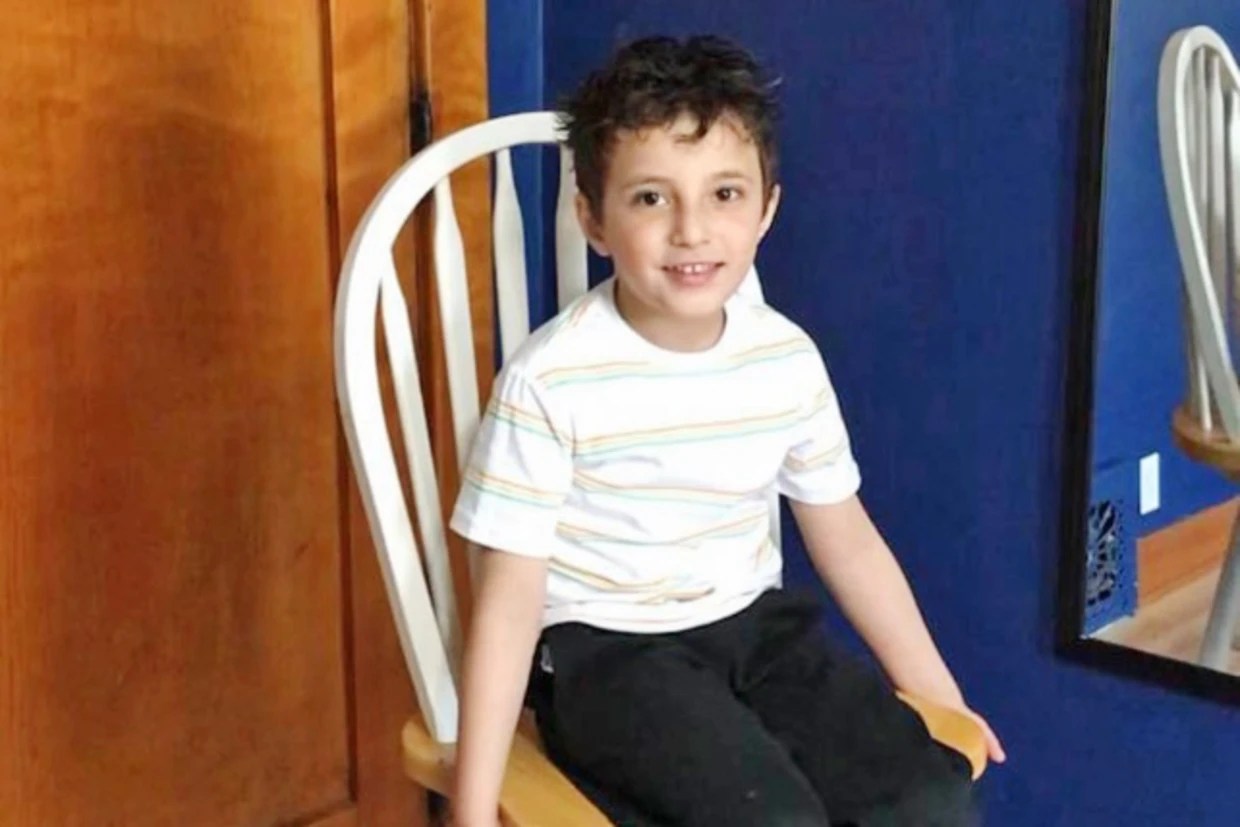
The heartbreaking tragedy in a heavily Palestinian Chicago suburb, where a 6-year-old Muslim boy lost his life in an alleged hate crime, sheds light on a disturbing reality that persists in the United States. It underscores the urgent need to address the misinformation and misconceptions that seem to cloud perceptions of Palestinians and their struggle for peace and justice.
Wadea Al-Fayoume’s senseless murder is a grim reminder of the consequences of hate, ignorance, and prejudice. The fact that his family’s landlord, Joseph Czuba, allegedly attacked them because of the Israel-Hamas conflict and their Muslim identity is deeply distressing. It is a painful testament to the grave misunderstandings surrounding the ongoing Middle Eastern conflict (AP News).
In a nation as diverse as the United States, it is disheartening to witness such acts of hatred. Wadea’s death not only signifies a tragic loss but also serves as a stark reminder that children and families across the world continue to suffer due to geopolitical conflicts.
The incident in Bridgeview, which houses a significant Palestinian community, highlights the significance of addressing the root causes of such prejudice and violence. It calls for a collective effort to promote empathy, understanding, and education about the complexities of international conflicts and their impact on individuals and communities.
While the legal system has initiated charges against the alleged perpetrator, it is equally important for society to reflect on how such sentiments can fester and lead to devastating consequences. Wadea’s story should prompt us to examine our attitudes, prejudices, and biases and strive for a more inclusive and compassionate society.
As we mourn the loss of Wadea Al-Fayoume and countless other innocent lives affected by conflict, we must endeavor to create a world where hatred and violence have no place. It is a solemn responsibility for all of us to confront misinformation, foster understanding, and work toward a future where tragedies like this become unthinkable.
Additionally, it’s important to recognize that the phrase ‘Allahu Akbar’ (الله أكبر) is a common Arabic phrase that means ‘God is the greatest.’ It is a central expression of faith in Islam and is used by Muslims in various contexts, including during acts of worship, celebrations, and moments of distress. For the vast majority of Muslims, it represents a positive and peaceful affirmation of their faith.
However, it is indeed unfortunate that this phrase has been misused by some individuals or extremist groups to justify acts of violence and terrorism. These individuals do not represent the beliefs and values of the broader Muslim community. Their actions have caused great harm and have perpetuated negative stereotypes about Islam and Muslims.
It’s crucial to differentiate between the peaceful and faithful use of religious phrases by the vast majority of Muslims and the actions of a small minority who distort these phrases for violent purposes. Understanding and respect for diverse religious practices and beliefs are essential to promoting tolerance, peace, and unity in our diverse society. In any faith, there are various ways to praise and worship the Divine, and these practices should be seen within their proper context. Prejudice against an entire religion or community based on the actions of a few is unjust and counterproductive to building a more inclusive and understanding society.
Works Cited
- AP News. “Illinois Man Charged with Hate Crime after Stabbing Muslim Boy.” AP NEWS, 2023Ad1.
- Abunimah, Ali. The Battle for Justice in Palestine. Haymarket Books, 2014.
- Palestinian AmericansWikipedia, 2.
- PalestiniansWikipedia, 3.

 MY HOME PLANET TERRA