
Freedom of Expression
Censorship, Satire, and Selective Freedom: The Perplexing State of Free Expression
Freedom of expression is a fundamental pillar of democratic societies, but recent events have raised questions about its selective application. While tabloids continue to churn out sensationalist falsehoods with impunity, some voices face censorship, and not without controversy. This inconsistency reveals a dangerous double standard that threatens the very essence of freedom of expression.
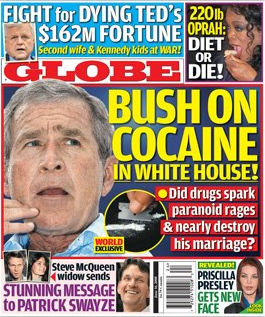
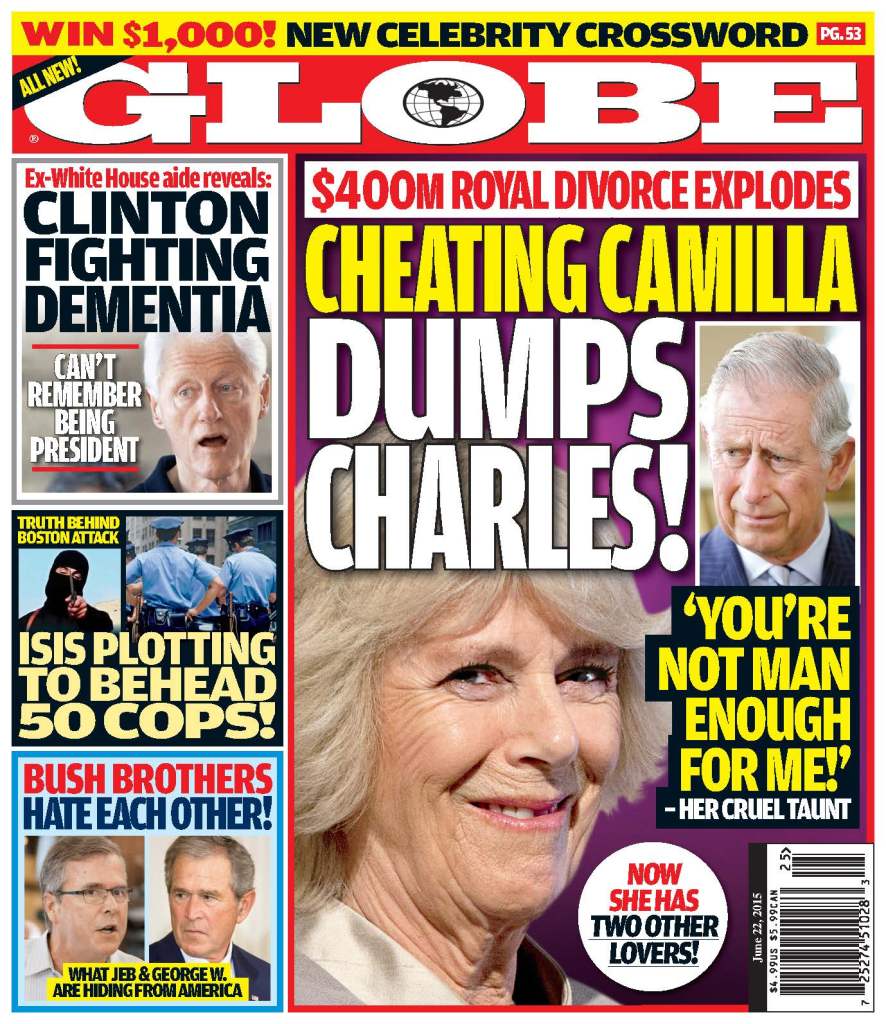
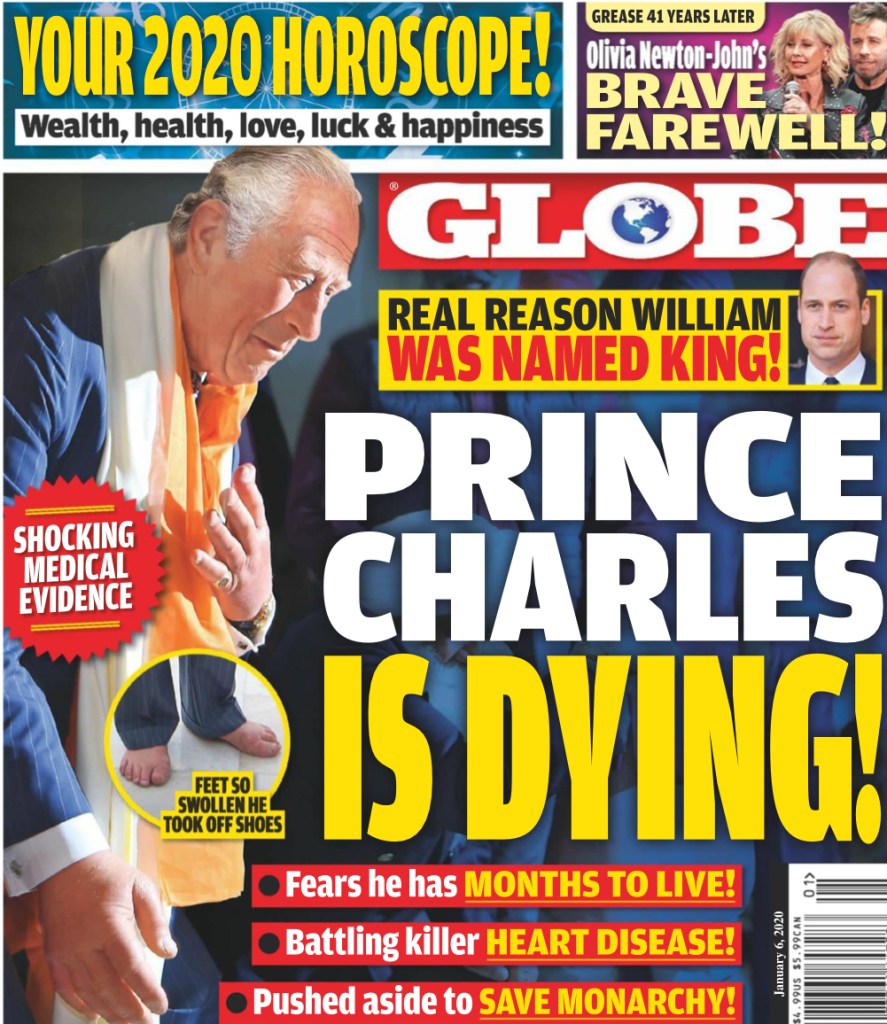
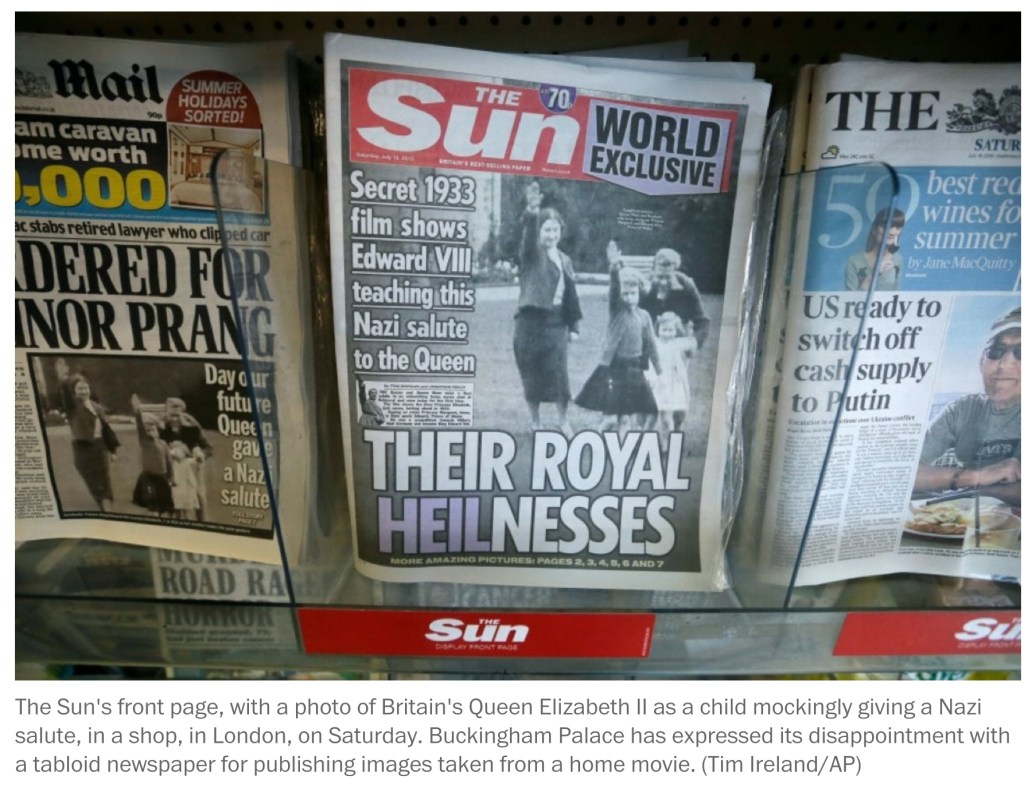
Tabloids, those purveyors of gossip, scandal, and blatant untruths, continue to thrive despite their reckless disregard for facts and responsible journalism. While freedom of speech should allow for diverse opinions and even sensationalism, these publications push the boundaries of credibility without facing any meaningful consequences. The prevalence of such tabloids demonstrates a critical failure in holding those who exploit the freedom of expression accountable for their actions. This unchecked spread of misinformation undermines the very essence of a functioning democracy. As loathsome as the tabloids may be, their existence in Western societies is a stark reminder of the uncomfortable truth that freedom of speech often comes at a price. These publications peddle in sensationalism, distortions, and outright falsehoods, tarnishing the fabric of responsible journalism. While it’s tempting to call for the regulation of tabloids in the face of their shameless tactics, we must remember that such a move would be fundamentally unconstitutional. In our democratic societies, we grapple with the challenge of preserving free speech, even when it takes the form of tabloids that frequently revel in the repugnant. As much as we may despise them, we must tread carefully when contemplating their regulation, for doing so risks undermining the very principles that our society was built upon.
On the other hand, freedom of expression becomes a contentious issue when it comes to the portrayal of religious figures, particularly when considering the controversy surrounding the Prophet Muhammad. The publication of cartoons depicting the Prophet Muhammad by Charlie Hebdo and other media outlets sparked outrage and debate around the world. While free speech is crucial, it is equally important to acknowledge that such depictions can be deeply offensive to millions of people and may perpetuate stereotypes and prejudices. In recent years, instances involving publications such as Charlie Hebdo and Jyllands Posten have drawn attention to the enduring challenge of reconciling freedom of speech with the potential for offending religious beliefs. These cases underscore the complex interplay between the cherished principle of free expression and the need to respect diverse religious perspectives.
Most of us have heard of Charlie Hebdo and Jyllands Posten for their infamous Muhammad Cartoons that sparked anger in the Muslim world. But very few may know that Charlie Hebdo has also been offending many Christians even long before then. On 30 September 2005, the Danish newspaper Jyllands-Posten published 12 editorial cartoons, most of which insulting the prophet of Islam. Charlie Hebdo’s controversial cartoons Quartz Magazine’s Comments On Charlie Hebdo: On February 9, 2006. Under the title “Mahomet débordé par les intégristes” (“Muhammad overwhelmed by fundamentalists”), the front page showed a cartoon of the prophet weeping saying “C’est dur d’être aimé par des cons” (“it’s hard being loved by jerks”). The newspaper reprinted the twelve cartoons of the Jyllands-Posten Muhammad cartoons controversy and added some of their own. Charlie Hebo’s infamous cartoon depiction of prophet Muhammad outraged Muslims. Then again in September 2012, the newspaper published a series of satirical cartoons of Prophet Muhammad that sparked anger in the Muslim world.
Religious Sensitivities
*Images in the article were removed out of consideration for people’s beliefs.
Most of us have heard of Charlie Hebdo and Jyllands Posten for their infamous Muhammad Cartoons that sparked anger in the Muslim world. But very few may know that Charlie Hebdo has also been offending many Christians even long before then.
On 30 September 2005, the Danish newspaperJyllands-Posten published 12 editorial cartoons, most of which insulting the prophet of Islam.Read more
Charlie Hebdo’s controversial cartoons
Quartz Magazine’s Comments On Charlie Hebdo:
On February 9, 2006. Under the title “Mahomet débordé par les intégristes” (“Muhammad overwhelmed by fundamentalists”), the front page showed a cartoon of the prophet weeping saying “C’est dur d’être aimé par des cons” (“it’s hard being loved by jerks”).The newspaper reprinted the twelve cartoons of the Jyllands-Posten Muhammad cartoons controversy and added some of their own. Charlie Hebo’s infamous cartoon depiction of prophet Muhammad outraged Muslims. Then again in September 2012, the newspaper published a series of satirical cartoons of Prophet Muhammad. [39][40] that sparked anger in the Muslim world.Read more
*Images in the article were removed out of consideration for people’s beliefs.
Charlie Hebdo has had more legal run-ins with Christians than with Muslims
January 7, 2015
Charlie Hebdo, the French satirical magazine, has raised the ire of Islamic militants before by publishing cartoons of the prophet Muhammed and other Muslim leaders—its office was firebombed in 2011 after it ran a provocative issue supposedly guest-edited by the prophet. The deadly attack on the magazine’s office in Paris today by heavily armed gunmen—whom witnesses described as crying “Allahu Akbar” (“God is great”) during the shooting—appears to be similarly motivated. French president François Hollande said the attack was “a terrorist attack, without a doubt.”“Charlie Hebdo must be veiled!” But Charlie Hebdo is not anti-Islam as much as it is anti-religion and broadly anti-establishment. It defends its “right to blasphemy,” in the words (and drawings) of Bernard Velhac, known as Tignous, one of the cartoonists killed in the shootings today. “We publish caricatures every week, but people only describe them as declarations of war when it’s about the person of the Prophet or radical Islam,” cartoonist Stéphane Charbonnier, known as Charb, told Der Spiegel in 2012. He was also killed in the shootings today.
Around the time of the 2011 controversy over its Muhammed issue, the magazine’s editor noted that the publication had been
Charlie Hebdo had been sued thirteen times by the Catholic Church.
But only once by a Muslim one. Below are some of the many Charlie Hebdo magazine covers taking aim at Christian icons and church leaders over the years:A pun on the Catholic church’s opposition to gay marriage, featuring the father, the son, and the holy spirit.The Pope goes too far! “This is my body!” (holding a condom).God doesn’t exist! “That turd! I had my doubts!”“The true story of the baby Jesus.” The issue was pitched as: “What your pastor never dared tell you is finally revealed in this new Gospel according to Riss [the cartoonist]. Because did you know that the Baby Jesus was a child of sin, scourge of dragons, sandpit faith-healer, child-killer, blinder of men, hyperactive child-king, tormentor of his teachers, and apprentice prophet?”A modern pope. “Hey, God, do you have any shampoo?… Oh come on, hello?… Helloooo?”Pedophile bishops. “Make movies, like Polanski…”Vatican: Another rigged election! “Let me down, I want to vote!”
Charlie Hebdo has had more legal run-ins with Christians than with Muslims January 7, 2015 Charlie Hebdo, the French satirical magazine, has raised the ire of Islamic militants before by publishing cartoons of the prophet Muhammad and other Muslim leaders—its office was firebombed in 2011 after it ran a provocative issue supposedly guest-edited by the prophet. The deadly attack on the magazine’s office in Paris today by heavily armed gunmen—whom witnesses described as crying “Allahu Akbar” (“God is great”) during the shooting—appears to be similarly motivated. French president François Hollande said the attack was “a terrorist attack, without a doubt.” “Charlie Hebdo must be veiled!” But Charlie Hebdo is not anti-Islam as much as it is anti-religion and broadly anti-establishment. It defends its “right to blasphemy,” in the words (and drawings) of Bernard Velhac, known as Tignous, one of the cartoonists killed in the shootings today. “We publish caricatures every week, but people only describe them as declarations of war when it’s about the person of the Prophet or radical Islam,” cartoonist Stéphane Charbonnier, known as Charb, told Der Spiegel in 2012. He was also killed in the shootings today.
Around the time of the 2011 controversy over its Prophet Muhammad Cartoon issue, the magazine’s editor noted that the publication had been Charlie Hebdo had been sued thirteen times by the Catholic Church. But only once by a Muslim one. Below are some of the many Charlie Hebdo magazine covers taking aim at Christian icons and church leaders over the years: A pun on the Catholic church’s opposition to gay marriage, featuring the father, the son, and the holy spirit. The Pope goes too far! “This is my body!” (holding a condom). God doesn’t exist! “That turd! I had my doubts!” “The true story of the baby Jesus.” The issue was pitched as: “What your pastor never dared tell you is finally revealed in this new Gospel according to Riss [the cartoonist]. Because did you know that the Baby Jesus was a child of sin, scourge of dragons, sandpit faith-healer, child-killer, blinder of men, hyperactive child-king, tormentor of his teachers, and apprentice prophet?” A modern pope. “Hey, God, do you have any shampoo?… Oh come on, hello?… Helloooo?” Pedophile bishops. “Make movies, like Polanski…” Vatican: Another rigged election! “Let me down, I want to vote!”
Critics argue that Charlie Hebdo’s editorial choices are not primarily anti-Islam but are rather anti-religion and anti-establishment. Nevertheless, it is essential to acknowledge the responsibility that comes with exercising freedom of expression. When satire becomes provocative to the extent that it fuels violence and hatred, it raises questions about the ethical boundaries of journalism. The tragic events that unfolded at Charlie Hebdo’s offices in Paris in 2015 underline the severe consequences of testing these boundaries.
Moreover, it’s worth noting that not only Muslims but also Christians have been subjected to satire and provocation by Charlie Hebdo and similar publications. Freedom of expression should be applied consistently, regardless of the religious or cultural background of those who might be offended. The satirical magazine’s legal run-ins with Christians have been numerous, illustrating that this issue goes beyond a specific religious or cultural context. Recent efforts to censor Russian media in various countries raise further concerns about the selective application of freedom of expression. While there may be legitimate reasons for limiting the dissemination of certain content, these actions should be taken with extreme caution. Banning an entire country’s media outlets is a drastic step that has serious implications for the principles of freedom and openness that underpin democratic societies.
These are allowed under the “freedom of speech”:
These are allowed under the “freedom of speech”:
What is “After School Satan?”
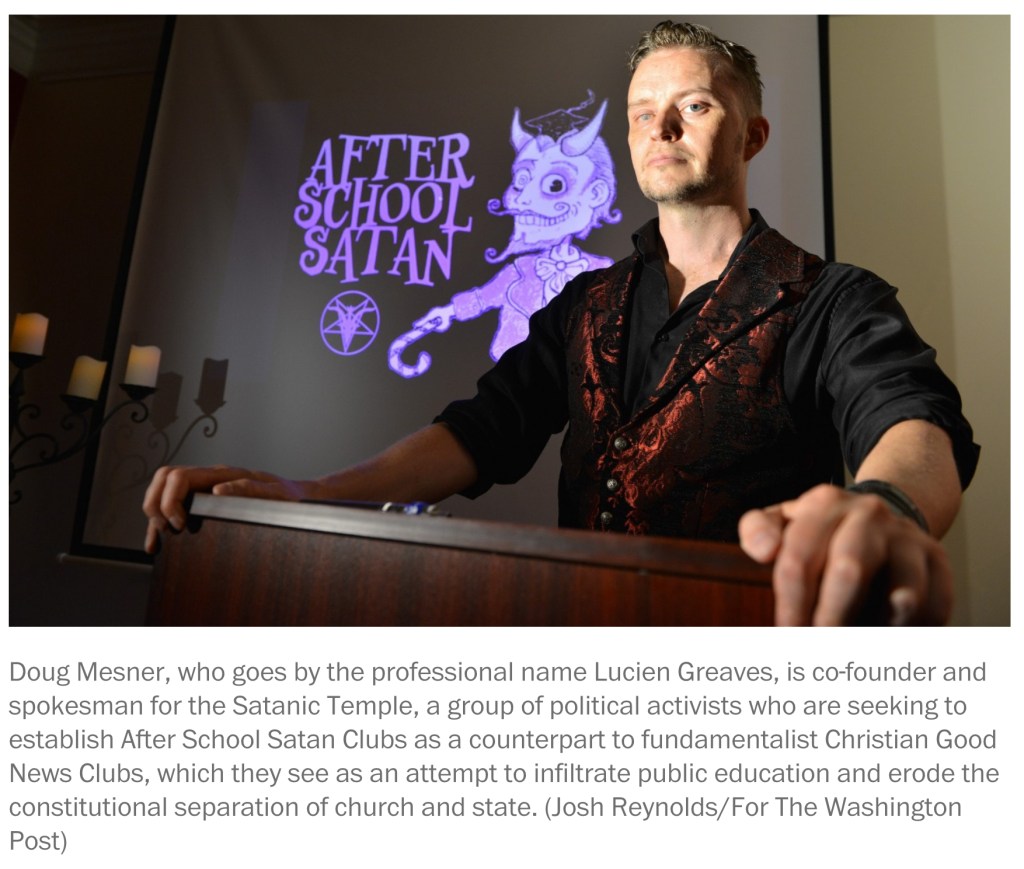

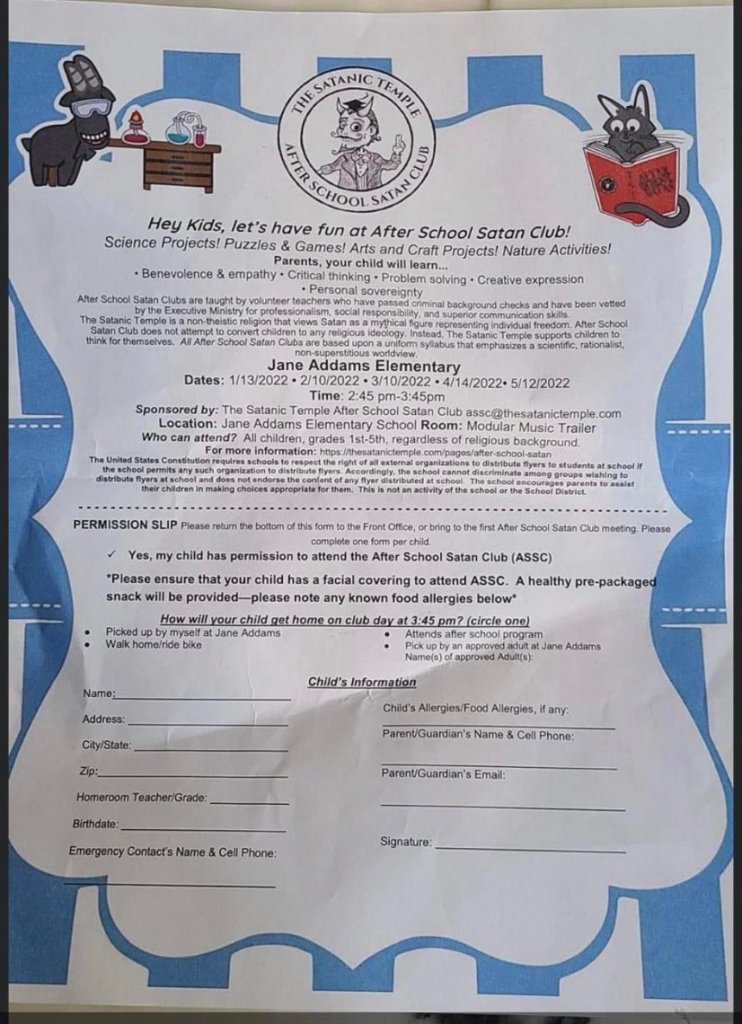
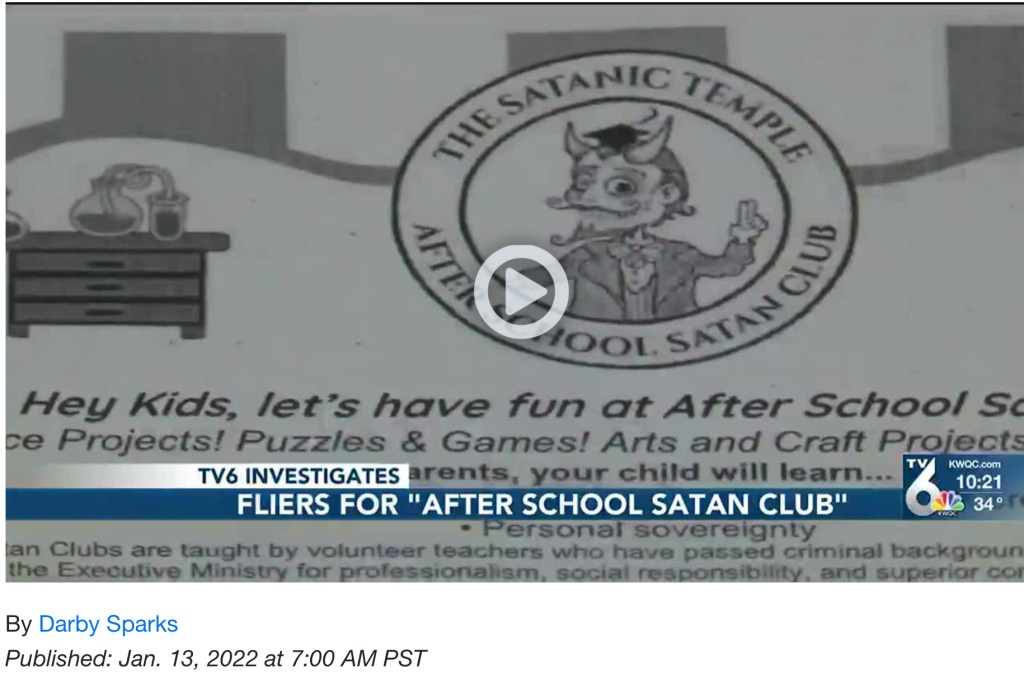
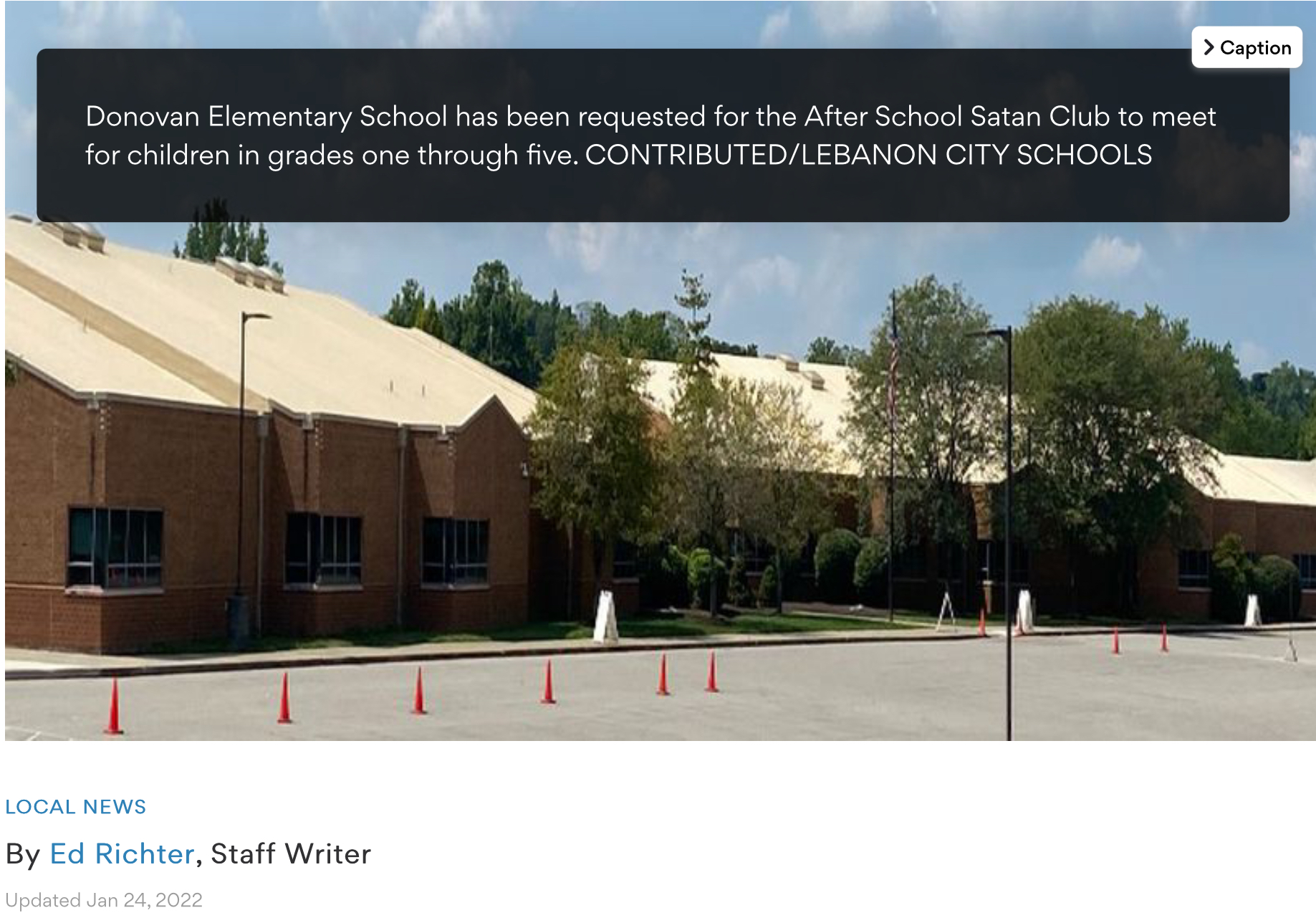
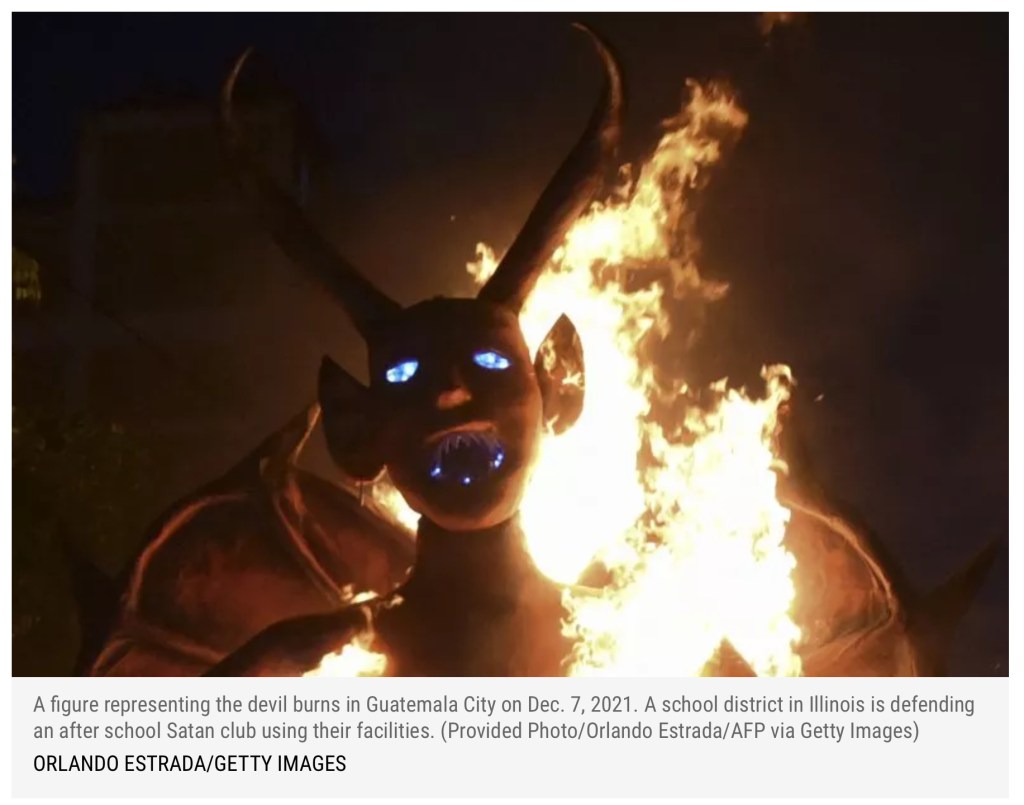

What is “After School Satan?”
“An After School Satan Club could be coming to your kid’s elementary school”

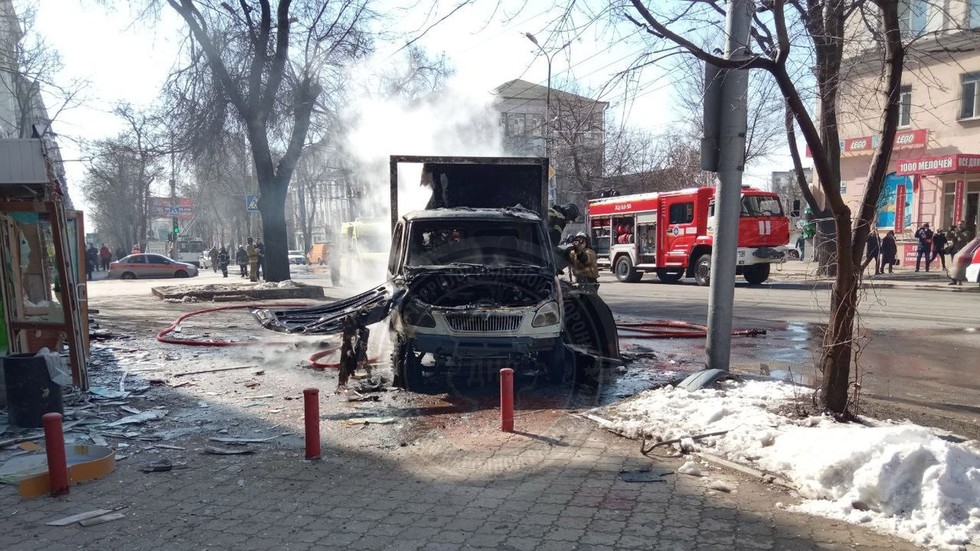
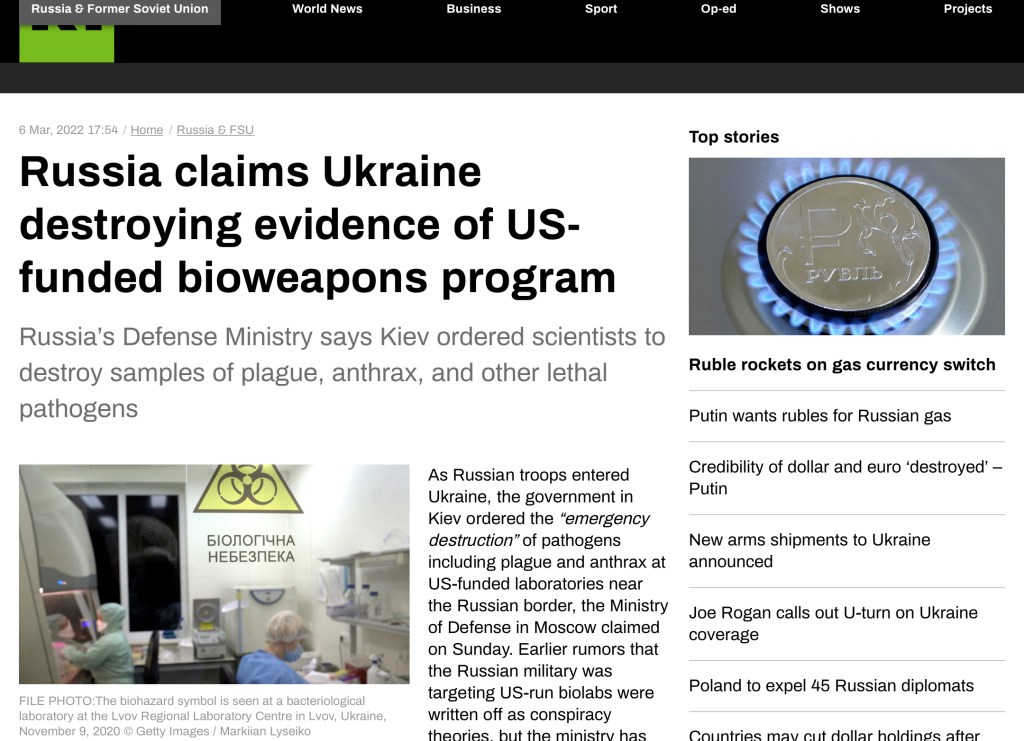
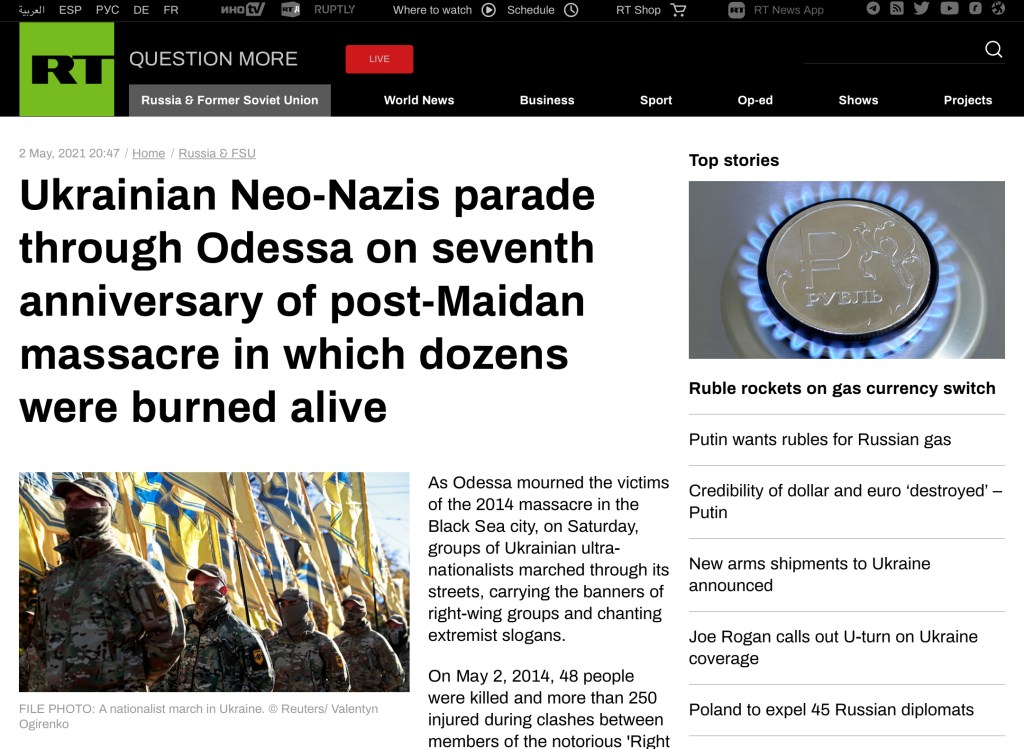
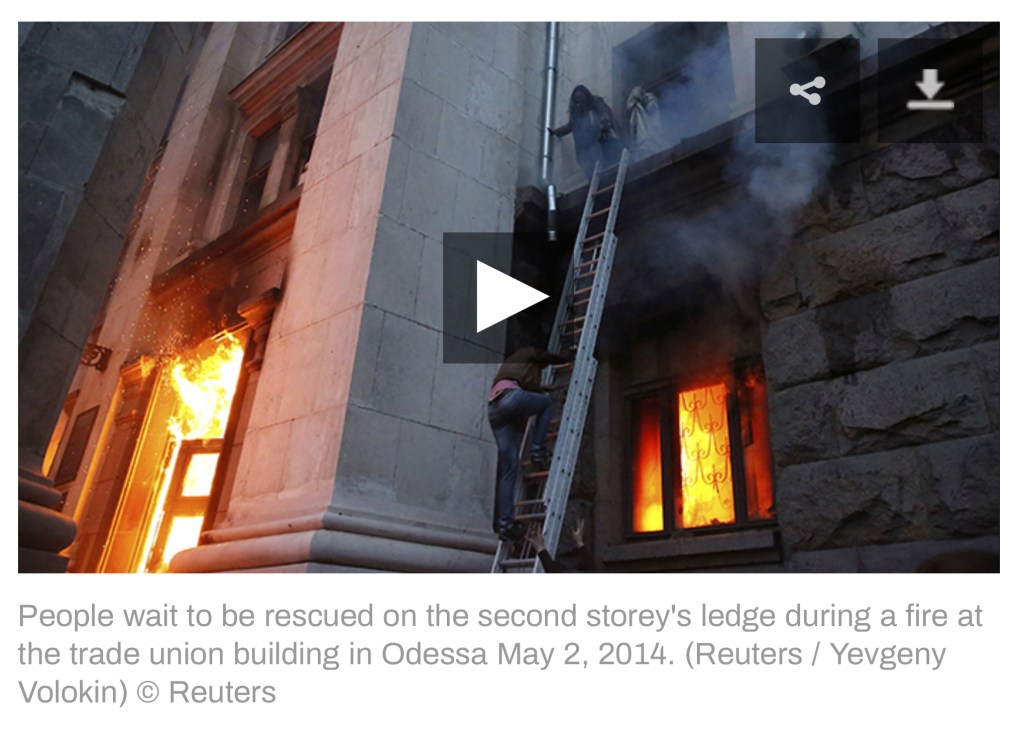
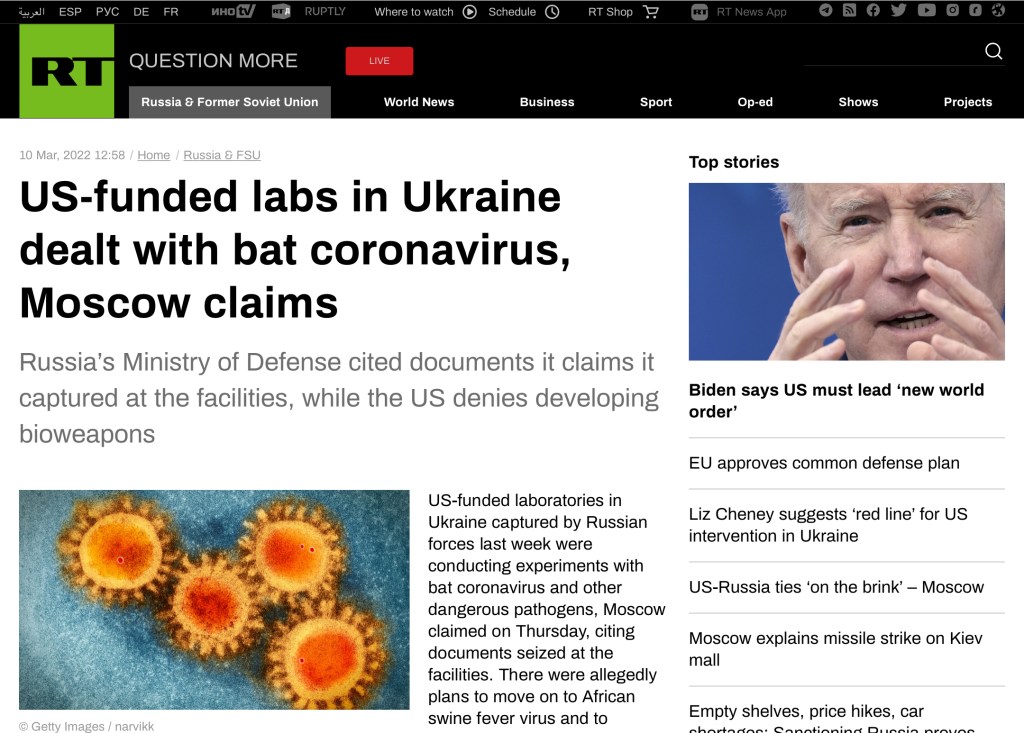
Russian media are banned on YouTube.
They are banned in most countries in Europe as well as in Canada. Why?
Critics argue that shadow banning undermines the principles of open and unrestricted discourse. By covertly suppressing users’ content without their awareness, it limits the ability of individuals to express their opinions and engage in public discourse. This practice can be subjective and potentially abused, as platforms can apply it to silence dissenting voices or unpopular opinions, thereby stifling free expression. Furthermore, the lack of transparency in the process denies users the opportunity to defend themselves or challenge the decision, making it difficult to maintain accountability and ensure fairness. In this way, shadow banning raises concerns about who gets to decide what constitutes unacceptable content, potentially leading to a chilling effect on free speech as individuals may self-censor to avoid being covertly silenced. In essence, while combating genuine abuses of the platform is essential, shadow banning, if misused or applied without transparency, can pose a significant threat to the fundamental right to freedom of speech.
Shadow banning
Shadow banning is a controversial practice employed by some social media platforms and websites, wherein a user’s content is effectively hidden from other users without their knowledge. Instead of outright banning or suspending an account, the platform restricts the visibility of the user’s posts, comments, or content, making it much harder for their content to reach a wide audience. While proponents argue that shadow banning can be used to combat spam, hate speech, or misinformation, it is also met with significant criticism for posing a threat to freedom of speech.
Critics argue that shadow banning undermines the principles of open and unrestricted discourse. By covertly suppressing users’ content without their awareness, it limits the ability of individuals to express their opinions and engage in public discourse. This practice can be subjective and potentially abused, as platforms can apply it to silence dissenting voices or unpopular opinions, thereby stifling free expression. Furthermore, the lack of transparency in the process denies users the opportunity to defend themselves or challenge the decision, making it difficult to maintain accountability and ensure fairness. In this way, shadow banning raises concerns about who gets to decide what constitutes unacceptable content, potentially leading to a chilling effect on free speech as individuals may self-censor to avoid being covertly silenced. In essence, while combating genuine abuses of the platform is essential, shadow banning, if misused or applied without transparency, can pose a significant threat to the fundamental right to freedom of speech.
Why?
The inconsistent application of freedom of expression, allowing tabloids to thrive while censoring certain voices, and the ongoing debate surrounding the portrayal of religious figures, particularly the Prophet Muhammad, reveal the complex nature of this essential right. It is critical to maintain a balanced approach that respects individual liberties while considering the potential consequences of offensive or incendiary content. Democracies should strive to uphold their commitment to free expression without falling into the trap of selective enforcement, which risks undermining the very ideals they aim to protect.

 MY HOME PLANET TERRA