
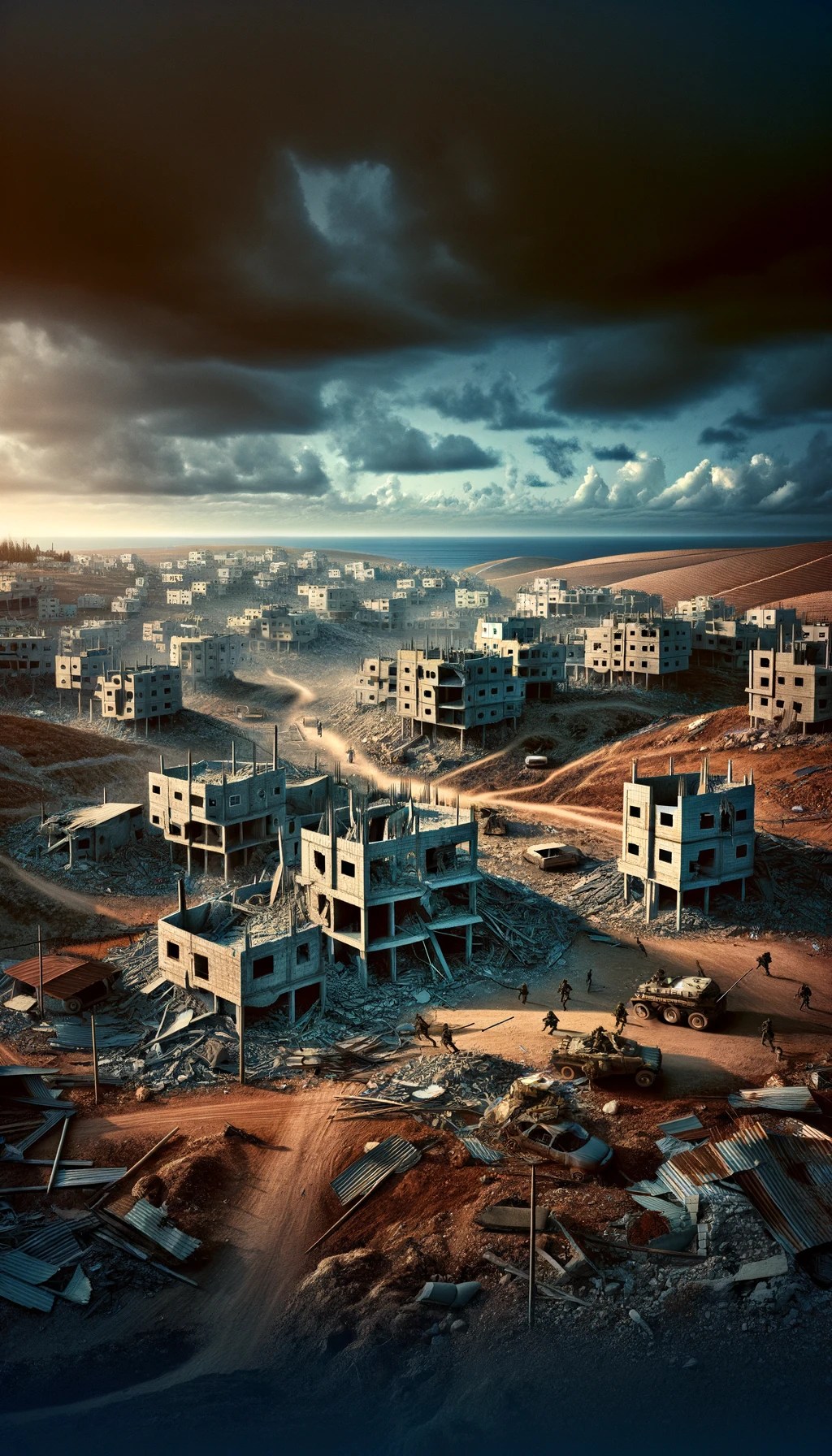
A Metaphorical Insight into the Israeli-Palestinian Conflict through the Story of the Koh-i-Noor
Introduction
This story is a creative way to think about the Israeli-Palestinian conflict. It’s important to remember this is just a way to look at the situation and not the actual history of what’s happening. The story shows how people can see the same situation in very different ways.
Unveiling the Metaphor
A Reflective Tale of Conflict and Claim
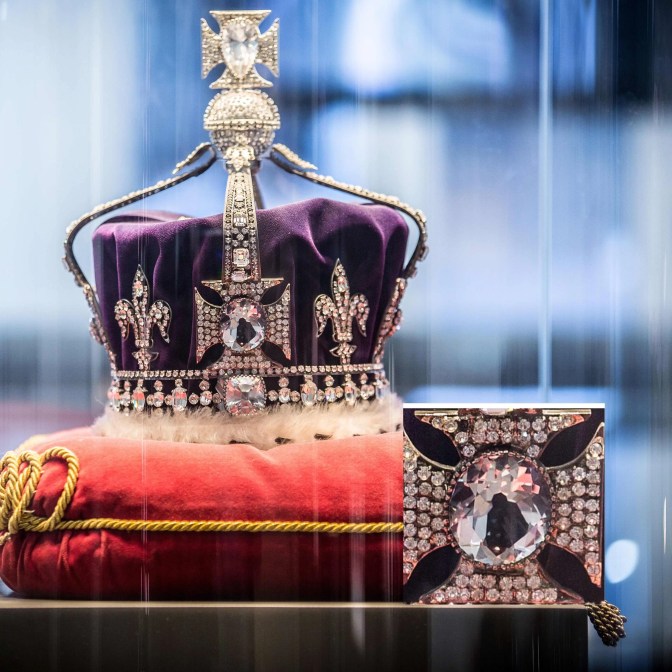
Let’s look at a story that helps us understand the complicated situation between Israel and Palestine, using the famous Koh-i-Noor diamond as an example. The Koh-i-Noor, or “mountain of light,” is a well-known diamond that many countries, including India, have claimed. It has been passed around a lot and is now with the British crown jewels since 1849 (“Koh-i-noor”, Britannica)1. The history of the Koh-i-Noor, including its symbolic significance and role in the Crown Jewels, reflects the complexities of ownership and contested heritage (Dixon-Smith, Sally, et al. The Crown Jewels)2.
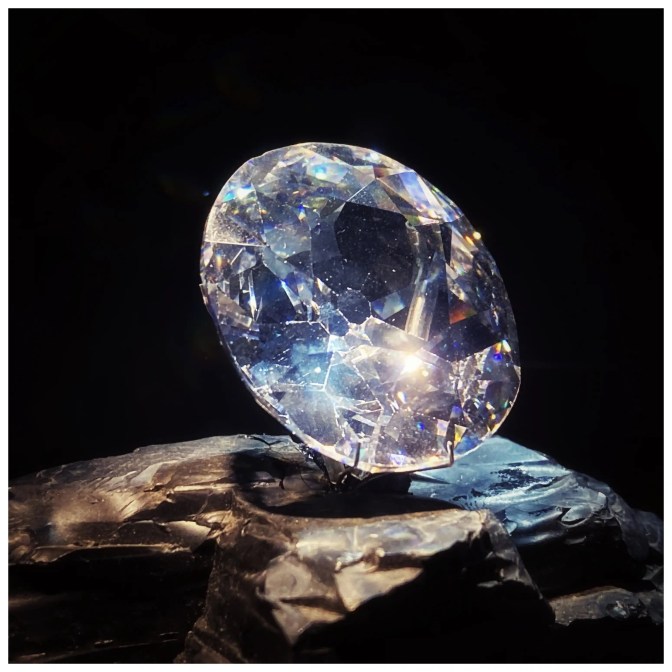
In our story, we have Petter from group A. He grew up hearing about a family diamond stolen many years ago. This diamond was sold several times and eventually bought by a jeweler, who then sold it to a rich family. Now, in the present, there’s Paul from group B, who owns this diamond because his ancestors bought it long ago. At a dinner party, Petter and Paul, who are friends, find out that the diamond Paul has used to belong to Petter’s family. Petter thinks it should be given back to his family because it’s part of their history. But for Paul, this diamond is a big part of his family’s story and something they got fairly a long time ago.
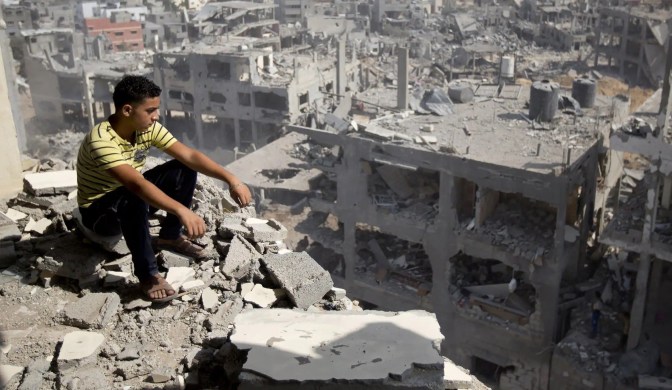
This is like the conflict between Israelis and Palestinians. Both sides feel they have historical reasons to claim the same land. Israelis often think they are reclaiming land from their ancestors, like Petter wants the diamond back. Palestinians, like Paul, feel they have a long-standing connection to the land. The conflict brings up big questions about who has the right to land based on history.
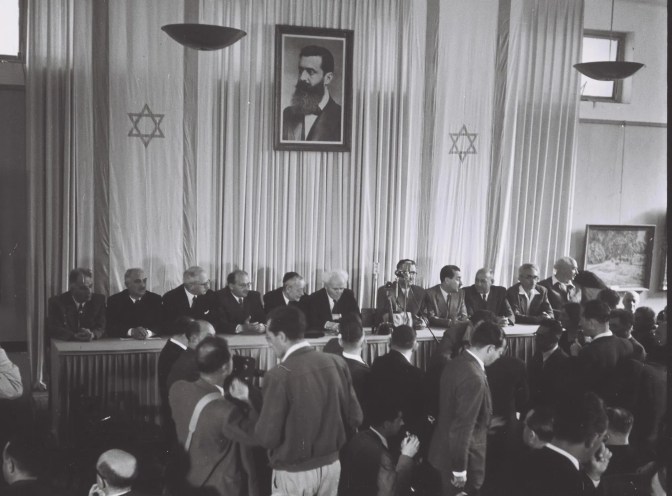
Some people have suggested using DNA to figure out who originally lived there, but this idea has a lot of ethical issues and could make things worse. It’s more important to find solutions that consider both groups’ connection to the land, both in the past and now. Maybe a better way would have been for the Israeli settlers to recognize the Palestinians’ connection to the land and maybe even offer compensation. This could have helped in understanding each other and moving towards peace (“Scholars revisit the long history of Israel-Palestine conflict”, Harvard Gazette)3.
In the end, just like the diamond story, the Israeli-Palestinian conflict is complex. It’s full of history, feelings, and moral questions. It shows us how important it is to understand each other’s stories and work towards solutions that respect everyone involved (“The True Story of the Koh-i-Noor Diamond—and Why the British Won’t Give It Back,” Smithsonian Magazine)4.
The intricate history and symbolism of the Koh-i-Noor diamond, reflecting the complexities of historical claims and identity, resonate with the narrative of this conflict (Cartwright, Mark. “Koh-i-Noor.” World History Encyclopedia)5.
References
1. “Koh-i-noor.” Encyclopædia Britannica. https://www.britannica.com/topic/Koh-i-noor.
2. Dixon-Smith, Sally, et al. The Crown Jewels. Historic Royal Palaces, 2010.
3. “Scholars revisit the long history of Israel-Palestine conflict.” Harvard Gazette. news.harvard.edu/gazette/story/2023/11/scholars-revisit-the-long-history-of-israel-palestine-conflict.
4. “The True Story of the Koh-i-Noor Diamond—and Why the British Won’t Give It Back.” Smithsonian Magazine. https://www.smithsonianmag.com/history/true-story-koh-i-noor-diamondand-why-british-wont-give-it-back-180964660/.
5. Cartwright, Mark. “Koh-i-Noor.” World History Encyclopedia. https://www.worldhistory.org/Koh-i-Noor/

 MY HOME PLANET TERRA