

Royal Navy Warship Collides with British Combat Vessel in Bahrain: Investigation Underway
In a recent incident in Bahrain, a multi-million pound Royal Navy warship, HMS Chiddingfold, collided with another hi-tech British combat vessel, HMS Bangor, while on mine-hunting duties in the Middle East. Fortunately, no crew members were injured in this embarrassing maritime pile-up, but both ships are currently undergoing examination for potential damage.
The collision has prompted a top-level navy investigation into the mishap, considering the significant financial implications and the unusual nature of two sensitive ships being involved in such an incident.
A spokesperson for the Royal Navy stated that they are aware of the incident, and investigations are ongoing. Both ships were in the Gulf as part of Operation KIPION, representing the UK’s enduring presence in the Gulf and Indian Ocean, with their base in Bahrain.
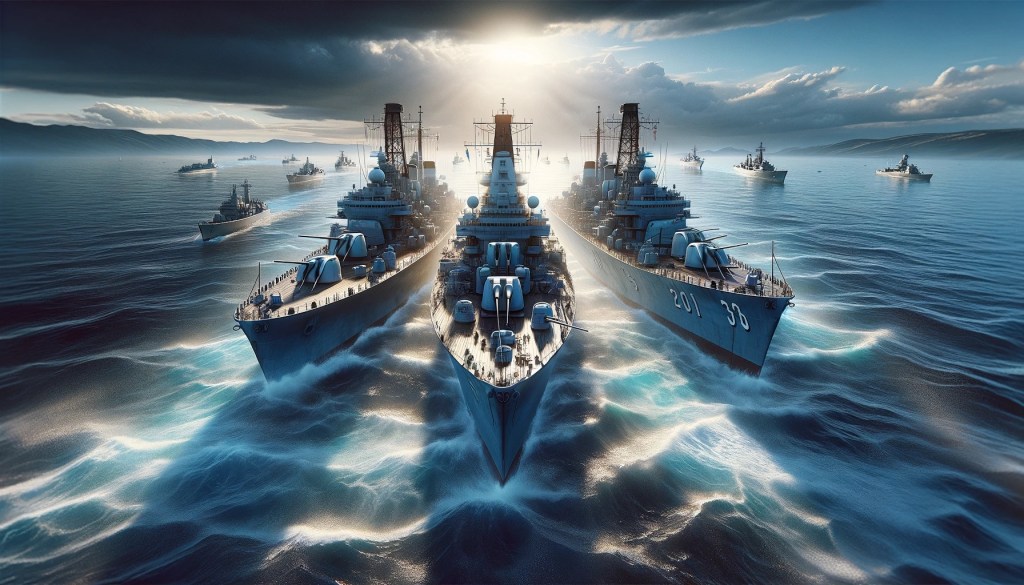
This incident occurs amid rising concerns about Iranian-backed attacks on high-seas shipping. The Royal Navy has been actively engaged in defending against these threats, with the Type 45 Daring Class warship HMS Diamond playing a significant role.
HMS Chiddingfold, a Hunter Class Minehunter, typically operates from Portsmouth and was launched in 1983. HMS Bangor, also a Minehunter, belongs to the Sandown Class Mine Hunter and is usually based in Faslane, Scotland. HMS Bangor is equipped with specialized Navy divers tasked with clearing underwater mines, ensuring the safety of trade routes. Both vessels have a crucial role in maintaining maritime security in the region.
The duration of repairs and when the crews will be back in commission is currently unknown.
Navigating Troubled Waters: The Decline of the Royal Navy’s Maritime Might
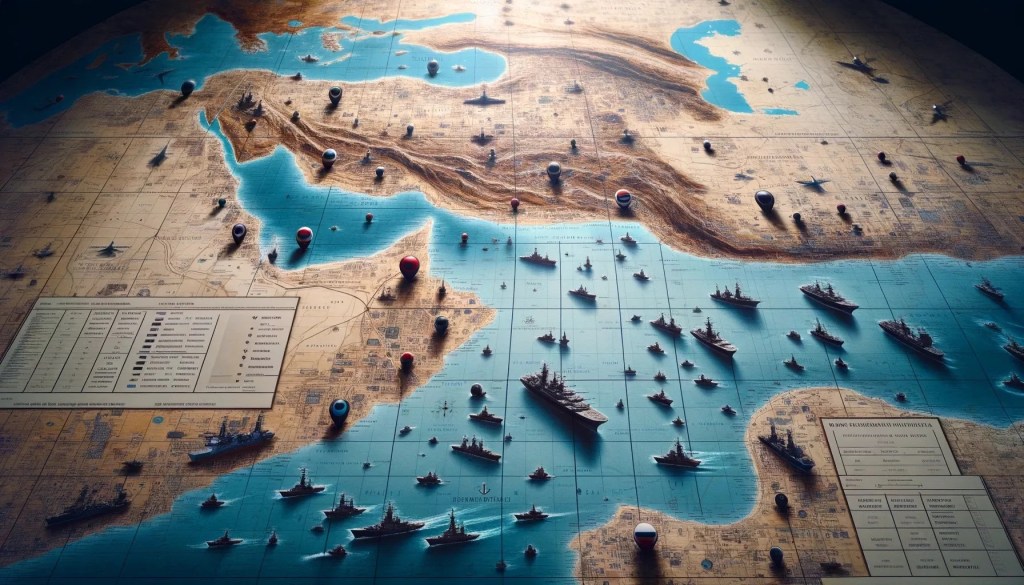
In recent years, the Royal Navy has faced a series of challenges that have raised concerns about its once-mighty status as a global naval power. Gone are the days when they proudly declared that the sun never set on their empire. Today, a closer look at the state of the Royal Navy reveals a different story.
One of the most pressing issues is the dwindling number of operational ships and personnel. Since the year 2000, the Royal Navy has seen a significant reduction in its workforce, with the number of sailors decreasing from 39,000 to just over 29,000. This shortfall is well below the authorized strength and has resulted in operational constraints. Some powerful ships, like the HMS Lancaster, a formidable Type 23 frigate, have been forced into “extended readiness” due to the lack of crew1.
Mechanical problems have also plagued the fleet. The Type 45 destroyer HMS Dauntless faced severe generator issues, leading to lengthy repairs. Another alarming incident was the collision of HMS Ambush, an attack submarine, with a merchant vessel near Gibraltar. The collision not only caused substantial damage but also underscored the Royal Navy’s lack of naval strength in reserve2.
Recruitment and retention problems have only exacerbated the situation. Recruitment numbers have plummeted, with a shortage of recruitment staff and increasing sailor departures from the service. This has raised serious concerns about filling critical roles, including those on nuclear-armed submarines that are essential for the UK’s defense strategy. Recent recruitment figures have been far below the desired capacity3.
These challenges stem from a broader set of issues, including budget cuts, fleet management problems, and the evolving strategic landscape. As the Royal Navy’s capabilities continue to decline, it begs the question of whether the UK can uphold its historical naval power and fulfill its defense commitments.
The once-proud Royal Navy now faces an uphill battle to restore its former glory. The sun may have set on their empire, but the question remains: can they rise to meet the challenges of a new era? For a more in-depth analysis, you can refer to articles on The Maritime Executive and Sky News.
Reference
- Navy Lookout. “Not enough sailors – another Royal Navy personnel crisis is brewing.” Navy Lookout, 2023, www.navylookout.com/not-enough-sailors-another-royal-navy-personnel-crisis-is-brewing.
- Navy Lookout. “Has the Royal Navy solved its manpower problems?” Navy Lookout, 2023, www.navylookout.com/has-the-royal-navy-solved-its-manpower-problems. ↩︎
- Sky News. “Royal Navy recruitment fall could hamper ability to crew nuclear deterrent unless fixed.” Sky News, 2023, news.sky.com/story/royal-navy-recruitment-fall-could-hamper-ability-to-crew-nuclear-deterrent-unless-fixed-12656270. ↩︎

 MY HOME PLANET TERRA