
Western Biases in the Damascus Embassy Strike
In the complex theater of Middle Eastern politics, where allegiances are as shifting as the sands, the Western reaction to Israel’s attack on Iran’s embassy in Damascus was, shall we say, “notably restrained.” While buildings in Damascus were not the only things left unsettled, the Western powers’ responses—or the conspicuous lack of them—might raise a few eyebrows or at least a dry chuckle for those versed in the art of diplomatic subtleties.
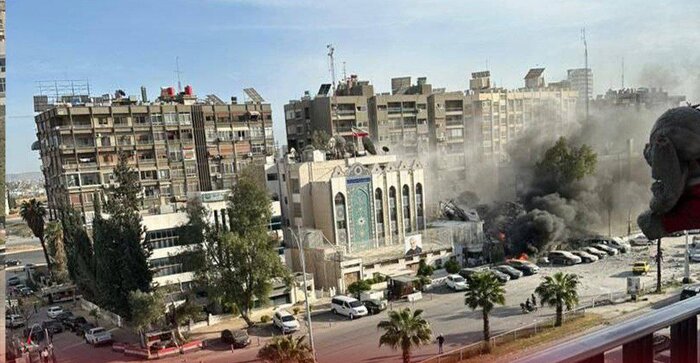
On the night of April 1, 2024, the stillness in Damascus was shattered by Israeli airstrikes that targeted the Iranian embassy. This tragic event not only marked a severe escalation in regional tensions but also resulted in the loss of seven Iranian personnel, each leaving behind a story unfinished and a family bereft. The international community must confront the reality of such actions and their profound human costs (“Iran Condemns Israeli Airstrike on Embassy in Damascus,” IRNA).

Brigadier General Mohammad Reza Zahedi, at 52, was more than just a high-ranking officer of the Islamic Revolutionary Guard Corps (IRGC); he was a father of three, a husband, and a pillar in his community. His leadership and dedication to national security were well-recognized, and his death leaves a void not easily filled (“Iranian Foreign Ministry Statement on Israeli Airstrike,” IRNA).
Colonel Reza Mansouri, 47, served as a beacon of strategic acumen and mentorship. His loss is felt deeply by his wife and two daughters, who must now navigate a future without his guidance. Similarly, Major Ali Tabrizi’s young family must face the daunting world without the strength and warmth he provided.

At 40, Captain Hamed Soroush was known for his commitment both to his country and to his family, leaving behind parents and a younger brother who looked up to him. Lieutenant Sara Khadem, 33, stood as a testament to the evolving role of women in military operations, her pioneering spirit cut tragically short.
Sergeant Majid Afshar, 29, was on the cusp of a new chapter in life with his impending marriage. His technical expertise and bright future were abruptly ended, leaving his fiancée to mourn what could have been. The youngest, Corporal Behnam Mirzai, 25, had shown promise that will now remain unfulfilled, his aspirations extinguished prematurely.
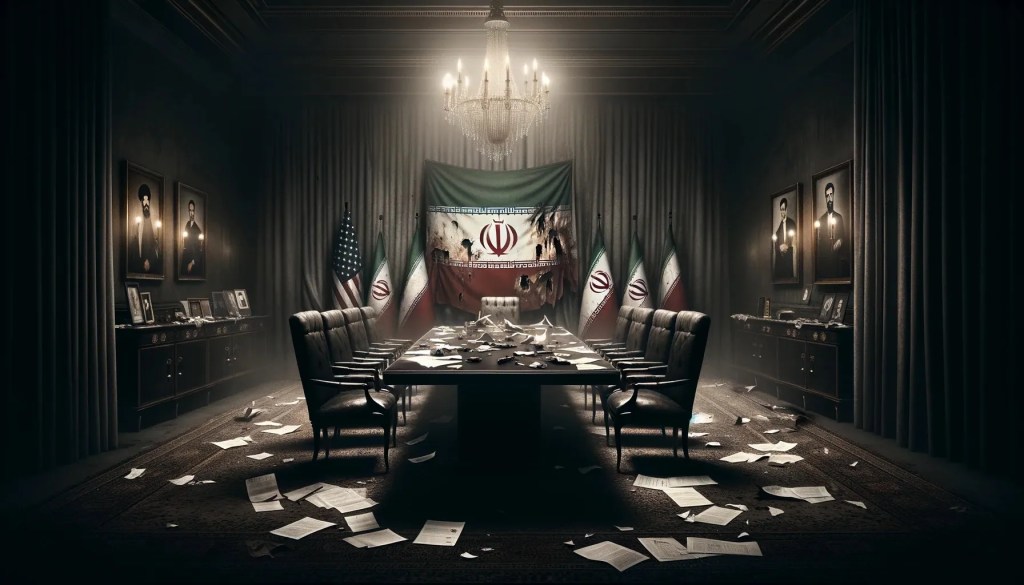
The Iranian government’s swift condemnation of the attack, citing it as a “flagrant violation of international law,” echoes the sentiment of a nation in mourning. These were not mere numbers or faceless soldiers; they were individuals with families, dreams, and commitments. Their untimely deaths serve as a grim reminder of the personal tragedies that are too often overshadowed by political rhetoric (“Public Outrage in Tehran Over Embassy Attack,” Mehr News).
As the world watches and often moves on from one headline to the next, the families of these seven individuals live with the consequences of geopolitical conflicts every day. The international community, including bodies like the United Nations, must not only seek to prevent such tragedies but also ensure that the sanctity of diplomatic missions is maintained, shielding them from becoming battlegrounds.
This incident is a call to all stakeholders in the international arena to reassess their strategies and align them with the principles of humanity and law. No strategic objective can justify the grief inflicted on families left to pick up the pieces of shattered lives. As we report on such events, let us not forget the human stories behind the headlines, and let us advocate for a world where diplomacy prevails over destruction.
The United States, ever the beacon of moderation, voiced its concern over the escalatory nature of the attacks but managed to do so without the cumbersome task of pointing fingers directly at Israel. This approach of strategic ambiguity keeps everyone on their toes, wondering if there was ever a red line that couldn’t be blurred by the right political context (Al Jazeera) (Global News).
On the flip side, the reaction to Iran’s retaliatory fireworks display—featuring an array of missiles and drones lighting up the sky towards Israel—was met with immediate and robust condemnation from the UN Secretary-General. He wasted no time calling for restraint and adherence to international law, a script so well-rehearsed one might wonder if it’s saved as a template for quick keyboard access (UN Press) (The Times of Israel).
It seems the Western playbook might have a few pages stuck together, particularly those concerning responses to actions by certain Middle Eastern states. One might ponder, with a wry smile, the efficiency of selective condemnations and the elasticity of international law, depending on who is testing its limits.
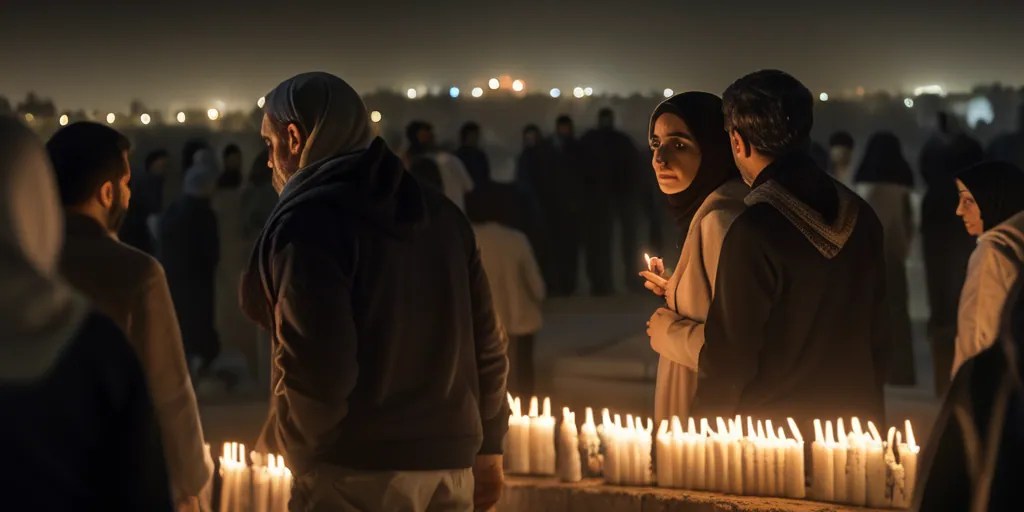
The broader picture painted by these reactions is less a vivid tableau of equitable international relations and more a muted watercolor washed in realpolitik hues. It subtly underscores a narrative where certain states’ actions are viewed through an espresso-tinted lens—dark and bitter, yet somehow invigorating for Western policymakers who persist in a caffeinated vigilance against Iran.
In the end, this discreetly orchestrated symphony of condemnations and non-condemnations might leave one amused or bemused. It is a performance that suggests that while the West often champions the principles of the United Nations, when it comes to Iran, it seems these principles can be as flexible as a gymnast in the Olympics. The consistency, it appears, is not so much in the application of the rules but in the assurance that they can be interpreted with a creativity that would make even Picasso pause. The lingering question, delivered with a hint of dry wit: Is this the art of diplomacy, or the diplomacy of art?
References:
- “Iran Condemns Israeli Airstrike on Embassy in Damascus.” IRNA. 2 April 2024. https://www.irna.ir/news/
- “Iranian Foreign Ministry Statement on Israeli Airstrike.” IRNA. 2 April 2024. https://www.irna.ir/news/
- “Public Outrage in Tehran Over Embassy Attack.” Mehr News. 3 April 2024. https://www.mehrnews.com/
- “Iran says Israel bombs its embassy in Syria, kills commanders.” Yahoo News. https://www.yahoo.com/
- “Iran’s response to Israel’s embassy attack.” Press TV. https://www.presstv.com/
- “Khamenei vows decisive response to Israeli aggression.” Tehran Times. https://www.tehrantimes.com/
- “IRGC promises retaliation.” Fars News. https://www.farsnews.ir/en/news.
- “Public outrage in Iran over embassy attack.” Tasnim News. https://www.tasnimnews.com/

 MY HOME PLANET TERRA