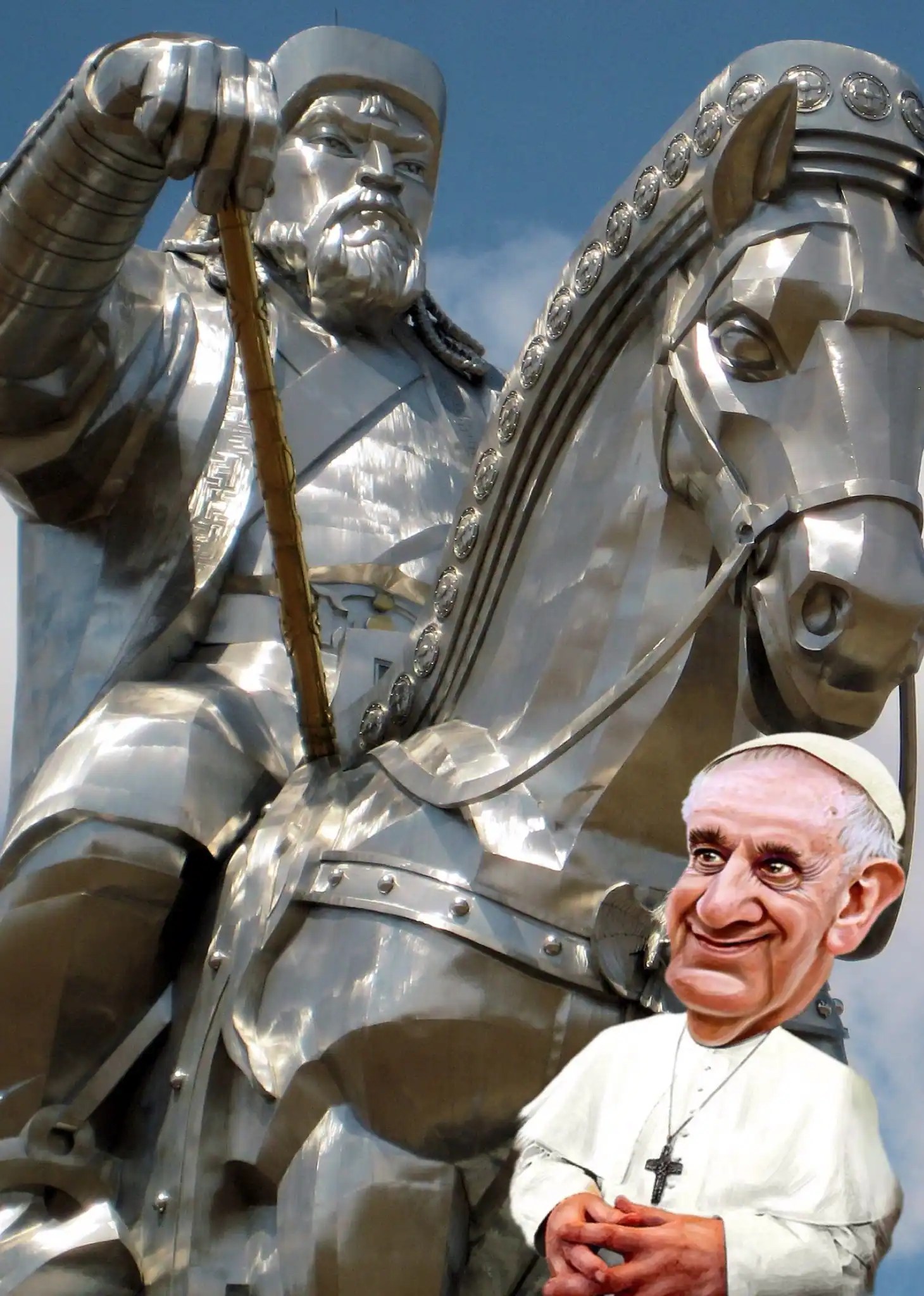
Pope’s Unexpected Appreciation of Genghis Khan: Exploring History and Politics.
By LrncFarmn
Introduction:
On September 2nd, 2023, people around the globe witnessed a momentous occasion: Pope Francis paid an unprecedented visit to Mongolia. This surprising event triggered a worldwide discussion about Genghis Khan, the mysterious figure who led the Mongol Empire in the 13th century. The Pope’s admiration for the empire’s apparent strategy of conflict avoidance and its inclusive treatment of conquered lands raised significant inquiries and ignited passionate debates.
Genghis Khan’s Complex Legacy:
It would be easier to understand the Pope’s admiration if it weren’t for the dark history surrounding Genghis Khan’s legacy. This history is marked by the undeniable loss of countless innocent lives during his conquests.
Mass Killings in Human History:
Renowned historian Bertold Spuler once vividly depicted a hill formed solely from the remains of Genghis Khan’s victims. This grim portrayal stands as a haunting reminder of unrestrained power, bearing witness to their brutal tactics.
In one account, an envoy from the Khwarazmshah stumbled upon a hill made entirely of the bones of massacred inhabitants. In another disturbing account, a road was slippery due to human fat to the extent that several members of the mission fell ill, and tragically, some perished. They were told that on the day the city was besieged, 60,000 virgins chose a tragic end to avoid capture by the Mongols.1
(Raverty,1995, p. 965)
The Mongol invasion is believed to have caused a devastating loss, with an estimated 11% of the world’s population perishing, which translates to around 37.75 to 60 million lives lost across Eurasia. These events are remembered as one of the deadliest mass killings in human history2.
The Pope’s Praise and Ethical Questions:
The Pope’s appreciation for Genghis Khan fits into a broader trend of Western intrigue surrounding this historical personality. When the head of one of the world’s major religious institutions commends such a figure, it raises significant ethical inquiries. This suggests that acts of violence and aggression might be pardoned or, possibly unintentionally, celebrated by those in influential positions.
The Papal Position and Its Implications:
The Pope’s main duty is to promote compassion, peace, and justice. When the Pope speaks positively about Genghis Khan, it seems to go against these core principles. These actions might harm his reputation as a spiritual leader and push away those who turn to him for guidance. Additionally, it could weaken the ongoing efforts to encourage peaceful coexistence among different cultures and religions.
The Historical Role of the Catholic Church:
Looking at history, we can see how the Catholic Church played a significant role in Western power. The times when the Pope was unfriendly towards the Orthodox Church and the ill-treatment of Orthodox Christians during the Crusades stand out as clear examples of the Church’s role in Western dominance.

Western Perspectives and the Geopolitical Landscape:
On October 13th, 2015, Charlie Rose interviewed the President of Mongolia, Tsakhiagiin Elbegdorj. At first, President Tsakhiagiin came across as a calm and peaceful person. However, the conversation soon shifted towards his admiration for Genghis Khan and the lasting impact of the legendary figure. It raises the question of whether Charlie Rose played a role in steering the discussion in this direction. Let’s explore their conversation further.:
CHARLIE ROSE: Did you send troops to Iraq?
TSAKHIAGIIN ELBEGDORJ: Yes.
CHARLIE ROSE: What led to that decision?
TSAKHIAGIIN ELBEGDORJ: You know, we were in Iraq during the 1400s and 1500s, and even in the 1300s. We ruled over Iraq, Iran, and Persia for two centuries. Our Huns.
CHARLIE ROSE: The Mongolian empire.
TSAKHIAGIIN ELBEGDORJ: The Mongolian empire. The mighty Mongolian empire—the largest land empire ever to exist on Earth.
CHARLIE ROSE: In all of history.
TSAKHIAGIIN ELBEGDORJ: Indeed. It encompassed all of Russia, parts of Europe and China, India, the Great Mongol Empire, and even the Persian Empire.
CHARLIE ROSE: And who were the most renowned leaders of that empire?
TSAKHIAGIIN ELBEGDORJ: Certainly, Genghis Khan and Kublai Khan, among others…3
Charlie Rose’s interview with President Tsakhiagiin Elbegdorj of Mongolia reveals the Western world’s growing interest in Genghis Khan. People are now exploring the conqueror’s historical achievements on social media, showing a sincere curiosity about his past conquests.
However, there’s a deeper layer to uncover. The interview reveals that Genghis Khan’s exploits in Iran and Russia were the original plot twists in the world’s longest-running geopolitical drama. It’s almost as if they were engaged in a high-stakes game of chess with empires while others played simpler games.
After wondering about all of this, we’re left with a simple question: “Did Genghis Khan write a hidden bestseller on how to build an empire that we’ve missed?” Maybe it’s time to dig up old scrolls, not just for fun, but also to gain some valuable strategic wisdom.
Geopolitical Consequences:
Recent events suggest that Mongolian views on Genghis Khan may be changing, possibly due to Western influence. This raises questions about whether this change is accidental or if there’s a deliberate attempt to reshape Mongolia’s historical ties and political alliances, which could lead to a situation similar to the Ukraine crisis.
Russia’s Concern:
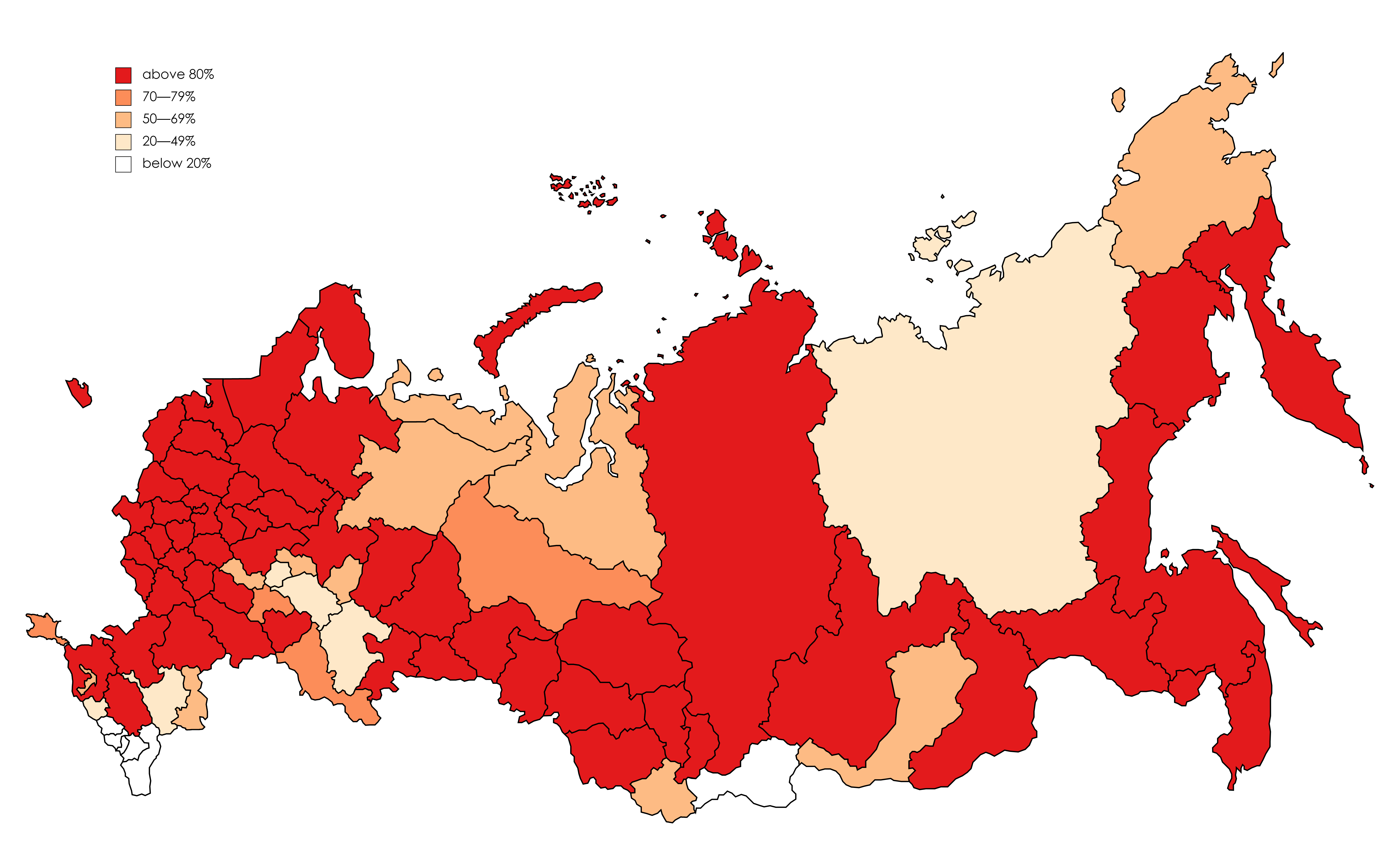
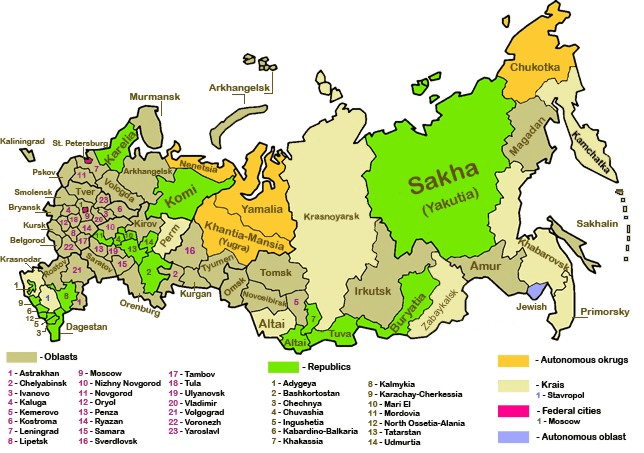
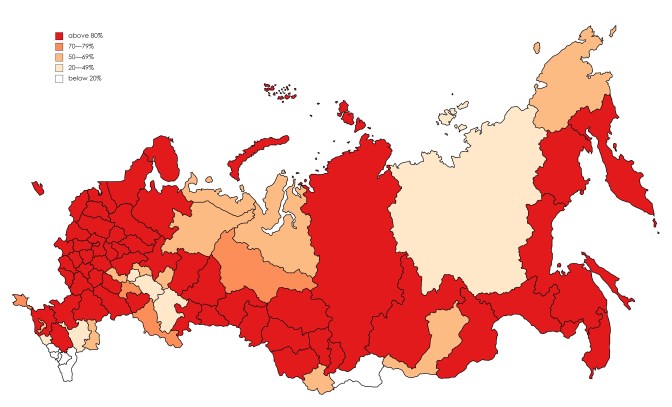
Many Russians now believe that the U.S. and its allies want to break up Russia. These suspicions might have some basis. Some say that many Mongolians consider Russia’s native population in the Far East as their distant relatives. Is the West trying to convince Mongolia to cut ties with Russia and join NATO? Are they going to provoke a situation between Russia and Mongolia that mirrors the conflict in Ukraine?
Global Climate Change and Siberia:
Global climate change and concerns about overpopulation pose unique challenges for Russia. As the world gets warmer, Siberia’s harsh climate might become more livable. This could attract more people to the region, which could have significant geopolitical consequences.
The Pursuit of Resources:
Is it possible that the capitalist West is interested in Russia’s vast lands and rich resources? This makes us wonder why the West is interested and what impact it might have on the world.
The Intricate Dynamics of Power:
In the complex world of power, resources, and influence, it’s clear that continuous dialogue and diplomacy are essential. International relations and the reasons that drive nations onto this diverse stage are intricate and multifaceted.
Conclusion:
As we explore the intricate web of history, politics, and our ongoing fascination with Genghis Khan, it’s important to maintain a tone of respect and thoughtfulness. In this complex narrative of global relations, diplomacy, and looking back on history, thoughtful conversation is incredibly valuable. It shows our ability to have respectful discussions, even on weighty topics, and encourages us to think about how nations interact on the world stage. I hope that His Holiness, the Pope, will soon realize the seriousness of the impact his speech has had. It might be a good idea for him to consider a strategy for addressing and resolving the resulting issues.
By LrncFArmn
Sources:
- Spuler, Bertold (1972). History of the Mongols, tran. H. and S. Drummond. London: Routledge & Kegan. ↩︎
- [“Twentieth Century Atlas – Historical Body Count”]. necrometrics.com. Retrieved 2020-10-21. ↩︎
- Mogi. “PBS “Charlie Rose” Interview with Elbegdorj Tsakhia – TRANSCRIPT.” Covermongolia, 15 Oct. 2015, covermongolia.blogspot.com/2015/10/pbs-charlie-rose-interview-with.html. Accessed 9 Sept. 2023. ↩︎
Images:
- Feature: “Pope Francis” by Catholic Church (England and Wales) is licensed under CC BY-NC-SA 2.0.
- Cover: GK by Francisco Anzola, on Flickr
- Video: https://www.bloomberg.com/media-manifest/videos/android/WiFi/bc16b751-fb79-4301-9cbd-aab481f7d0cc.m3u8?idType=BMMP
- Image 1: “Russian-regions” is licensed under CC BY-SA 3.0.
- Image 2: File:Percentage of Russians by Federal Subjects (2021 Census).png Wikijahnn, CC BY-SA 4.0, via Wikimedia Commons


.png)